
 Business License
Blog Categories

Writing an RFQ for Hardware Tools and Gas Torches
An importer sent the same enquiry to three suppliers and received three quotes that could not be compared. One priced a torch head, one priced a torch set, and one priced a carton of heads with no regulator at all.
This article covers the four parts of a hardware tools rfq, a gas torch inquiry checklist for the technical lines, and the tool quotation review points that catch a quote which looks cheap and is not. A buyer case closes the piece.
1. Hardware Tools RFQ: What to Put in the Header
A hardware tools rfq works better as a short structured document than as an email, because a supplier can quote from a structure and has to ask about a paragraph.
The header carries the buyer name, the destination port and the required arrival window. Those three lines fix the freight basis before any item is priced.
The next line states the trade term. FOB, CIF and EXW each move a different set of costs to a different side of the order.
A reference number and a version date belong in the header too, so a later revision can be told apart from the first enquiry.
The currency and the validity period close the header. A quote that cannot be compared on currency is a quote that gets retyped before it is read.
Yichun Wentu asks buyers to send the header first, since a clear basis shortens the whole quotation round by more than a day.
A header should also name the packaging language, since a buyer whose market needs a local language label is better served stating it at the enquiry stage than after the goods are boxed.
2. Gas Torch Inquiry Checklist: The Technical Lines
A gas torch inquiry checklist covers the parts that have to match before a torch will work on a bench, and a wrong line usually means a returned order.
The fuel comes first. Propane, LPG and MAPP each need a different jet or tip size, and the choice has to be stated rather than assumed.
The tip size or the tip range follows. A torch sold with three tips covers more work than one sold with a single fixed tip.
The hose length and its rating come next. A 1.5 m hose suits a bench, while a 5 m hose suits site work away from the cylinder.
The ignition type and the regulator belong on the checklist as well. A self igniting head and a matched regulator save a buyer two separate purchases.
Wintooltech lists each of these lines as a numbered field, so a buyer can fill a checklist rather than describe a torch in prose.
A checklist should also state the duty. A torch that runs for a few minutes at a time is a different request from one that runs for two hours without a break.
Quantity per line matters here too, since a supplier quotes a torch set and a torch head on different unit bases.
3. Tool Quotation Review Points: Comparing Like With Like
Tool quotation review points matter because two quotes can look competitive on the page while covering quite different scopes.
The first point is the unit. A quote per piece and a quote per set give very different figures against the same order line.
The second is the contents. A torch quote that excludes the regulator or the hose is not the same offer as one that includes both.
The third is the packing. A quote on bulk cartons and a quote on retail boxes differ in cost and in the labour a buyer adds at the far end.
The fourth is the quantity break. A price at 500 pieces and a price at 5,000 pieces sit on different points of the same curve.
Wentu quotes each item on a stated basis, so a buyer can line two suppliers up without retyping either offer into a common format.
The fifth point is the spares basis. A quote that lists a first spares kit line by line can be compared with one that lumps the parts into a single figure.
4. Hardware Tools RFQ: Quantities and Packing
A hardware tools rfq should state quantities as a range rather than a single figure, since most suppliers quote on a quantity break.
A range such as 2,000 to 5,000 pieces lets the supplier quote two points and lets the buyer see the slope between them.
Packing has to be stated. A buyer who needs retail ready boxes says so, and a buyer who repacks locally asks for bulk cartons instead.
Carton marks belong in the enquiry. A shipping mark with a buyer reference number saves a sorting step at the destination warehouse.
The number of cartons per pallet and the pallet size also affect freight. A mismatched pallet wastes container space even when the volume is right.
Wentu confirms the packing layout against the order quantity before it quotes, so the freight figure in the offer is based on a real carton count.
The delivery point belongs in the same section. A quote to a port and a quote to a warehouse differ by an inland leg that is easy to leave out of a comparison.
5. Gas Torch Inquiry Checklist: Fuel, Tip and Hose
A gas torch inquiry checklist that names the fuel, the tip and the hose lets a supplier quote a working set rather than a bare head.
The fuel line should name the gas and the local cylinder type, since a regulator thread differs between markets.
The tip line should name the size or the range, and it helps to state the pipe diameter the torch will work on.
The hose line should name the length and the rating. A hose rated for the fuel protects a buyer from a hardened or cracked line after a season.
An ignition preference completes the list. A self igniting head suits a bench, while a manual head suits a user who keeps a separate spark lighter.
Yichun Wentu returns the checklist with the quote, with each line either confirmed or flagged as an alternative.
The checklist should also state the working height and the reach. A torch used at shoulder height on a ceiling line needs a longer hose than one used at a bench.
6. Tool Quotation Review Points: Terms, Lead Time and Spares
Tool quotation review points should cover the commercial side as closely as the technical side, because a lower price on a worse term is not a saving.
Lead time comes first. A stated production window counted from a deposit is clearer than a shipping date with no start point attached to it.
The payment terms follow. A deposit and a balance against documents is a common pattern, and the split has to be read next to the price.
The spares line matters on tools. A quote that includes a first spares kit avoids a second order for a switch or a tip in the first month.
The document list closes the review. A packing list, an invoice and a certificate of origin cover most export orders, and each has its own preparation time.
Wentu states the lead time, the terms and the spares line on the same page, so a buyer can compare a whole offer rather than the top figure.
The validity period of the offer closes the review. A quote that expires in 15 days and one that holds for 60 days suit different buying cycles.
7. Hardware Tools RFQ: What to Leave Out
A hardware tools rfq is easier to answer when it leaves out the requests that no supplier can price, and those requests usually arrive as open questions.
A question about a general capability is hard to answer. A specific item with a size and a quantity attached is not.
An enquiry that lists twenty items with no quantities invites a guess, and a guess either overshoots the cost or understates the lead time.
A sample request belongs in the enquiry, but it should state whether the sample is free or paid and which side carries the freight.
A deadline on the same sheet as the items helps as well. A supplier who knows the target date can say early whether it is reachable.
Wentu answers a short enquiry faster than a long one, which is the practical reason to keep the list tight and the lines complete.
A request for a full catalogue belongs outside the enquiry. It slows the first reply without moving the order forward.
8. A Buyer Case: Tool Quotation Review Points in Practice
An importer compared three quotes for a mixed order of hand tools and gas torches and found the lowest price was not the lowest delivered cost.
The lowest price excluded the regulator and the hose on every torch line, while the middle quote included both as part of the set.
The packing also differed. One quote assumed bulk cartons while the importer needed retail boxes, which added a step that the quote did not price.
Once the three scopes were lined up on the same basis, the middle quote came out below the lowest priced offer on the delivered figure.
The importer added one clause to the rfq after that round, requiring every quote to state the torch contents line by line.
The importer now runs every enquiry through the same four line header, and the three quotes it receives arrive comparable.
9. Frequently Asked Questions on Hardware Tools RFQ
9.1 What should a hardware tools rfq include?
A hardware tools rfq should start with a header carrying the buyer name, the destination port and the required arrival window, plus the trade term, a reference number and a version date. Quantities work better as a range such as 2,000 to 5,000 pieces, so a supplier can quote two points and a buyer can see the slope between them. Packing belongs in the enquiry, since retail ready boxes and bulk cartons are priced differently. Carton marks with a buyer reference number save a sorting step at the destination warehouse.
9.2 What belongs on a gas torch inquiry checklist?
A gas torch inquiry checklist should name the fuel, the tip, the hose, the ignition type and the regulator. Propane, LPG and MAPP each need a different jet or tip size, so the fuel has to be stated rather than assumed. The tip line names a size or a range, and it helps to state the pipe diameter the torch will work on. The hose line names a length and a rating, and an ignition preference completes the list, since a self igniting head and a manual head suit different users.
9.3 Which tool quotation review points matter most?
The tool quotation review points that matter most are the unit, the contents, the packing and the quantity break. A quote per piece and a quote per set give very different figures against the same order line, and a torch quote that excludes the regulator or the hose is not the same offer as one that includes both. Packing differs between bulk cartons and retail boxes, and a price at 500 pieces sits on a different point of the curve from a price at 5,000. Lead time, payment terms and the spares line complete the comparison.
9.4 How should quantities be stated in an rfq?
Quantities work better as a range rather than a single figure, since most suppliers quote on a quantity break. A range such as 2,000 to 5,000 pieces lets the supplier quote two points and lets the buyer see the slope between them. An enquiry that lists twenty items with no quantities invites a guess, and a guess either overshoots the cost or understates the lead time. Stating a target deadline on the same sheet also lets a supplier say early whether the date is reachable.
Recently Posted
-
Factory Testing Before Shipping Torches and Power Tools
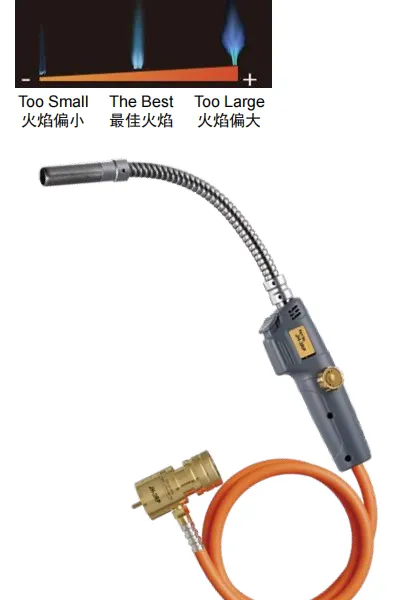
October 20, 2026A buyer once received a batch of 600 torches in which 14 units would not hold pressure at the valve stem, a fault that appeared w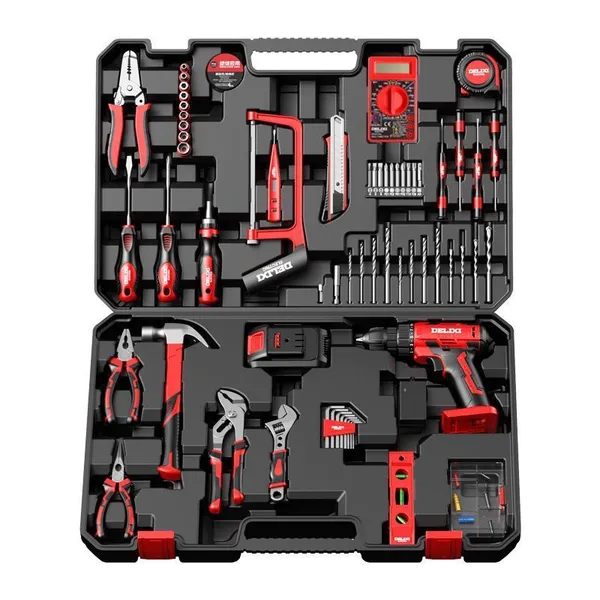 Read More
-
What Is Hardware in the Tool Trade? A Practical Definition
October 19, 2026A purchasing manager once asked a supplier for all the hardware on a tool order and received three cartons of screws with no dril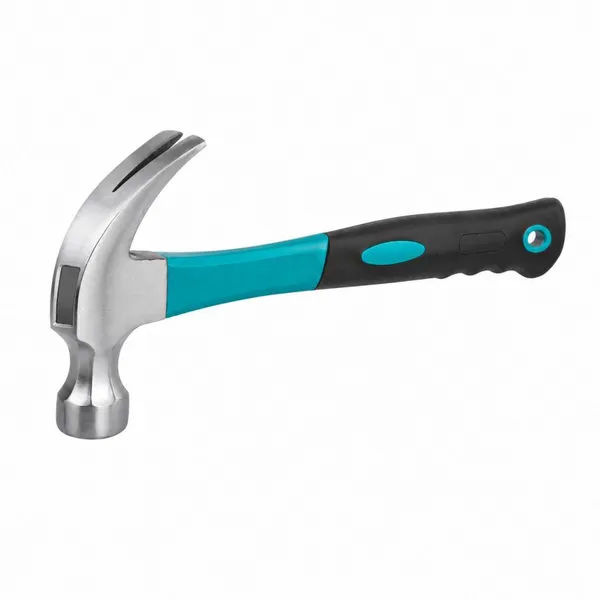 Read More
-
Improving Torch Thermal Efficiency in Brazing Work
October 19, 2026A burner that feels weak is often delivering exactly what its label says, and the heat is simply going somewhere other than the j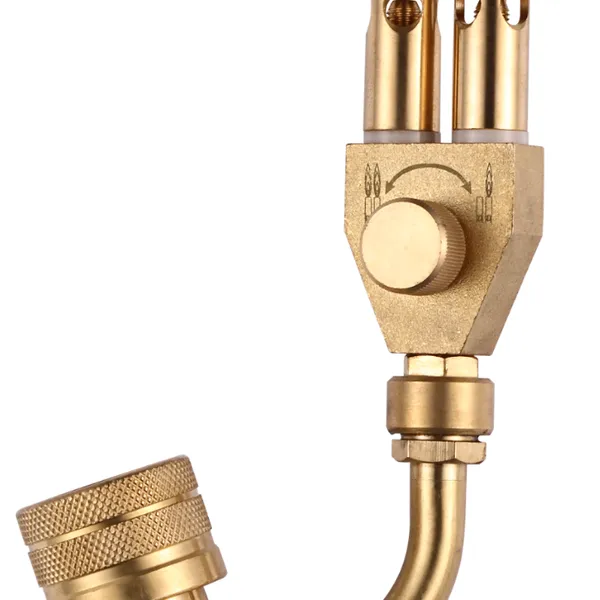 Read More
-
Gas Torches in Jewelry Making and Precision Metalwork
October 16, 2026A repair bench once lost a ring setting to a flame that was too large rather than too hot. The torch was a workshop unit meant fo Read More

Contact Us
Recommended Products
-
 WT‑ST Heavy‑Duty Brass Valve MAPP/Propane Torch Adjustable Flame Gas Soldering TorchNegotiableMOQ: 100 Pieces
-
WT‑SSP Patented Self‑Igniting MAPP Gas Torch Stainless Steel Tip Heat‑Concentrating TorchNegotiableMOQ: 100 Pieces
-
WT‑SSA‑1 Heavy‑Duty Self‑Igniting MAPP Torch Aluminum Housing 360° Swivel Brazing TorchNegotiableMOQ: 100 Pieces
-
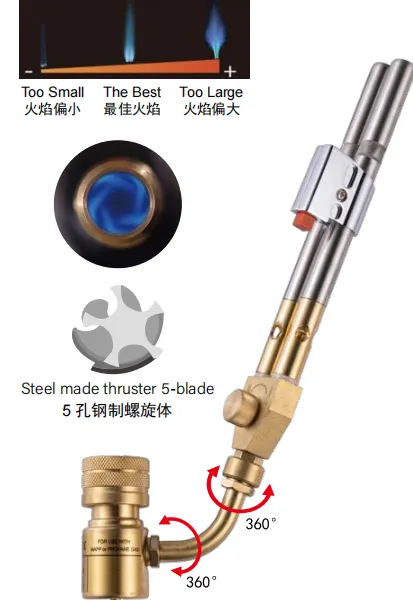
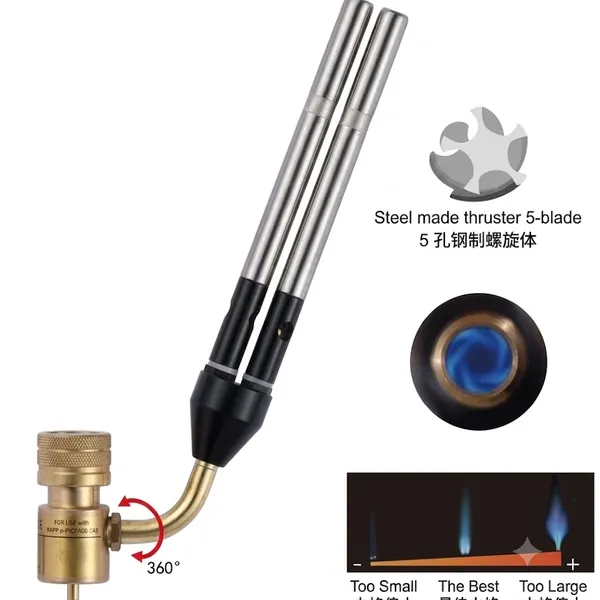
WT‑D1 Dual‑Tip High‑Heat MAPP Gas Torch 360° Swivel Twin Flame Copper Pipe Brazing TorchNegotiableMOQ: 100 Pieces
-
WT‑D2 Twin Flame MAPP Gas Torch 360° Two‑Way Swivel Dual Tip High‑Efficiency TorchNegotiableMOQ: 100 Pieces
-
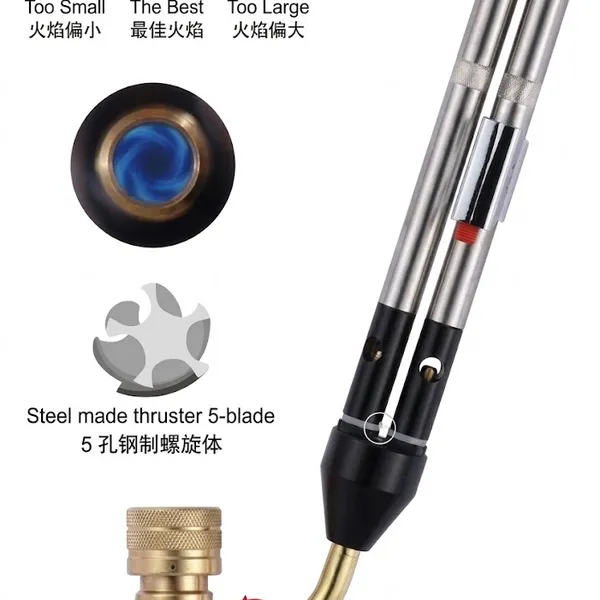
WT‑D2SA Self‑Igniting Dual‑Tip MAPP Torch 360° Two‑Way Swivel Aluminum Igniter TorchNegotiableMOQ: 100 Pieces
-
WT‑D2P Patented Switchable Single/Dual Tip MAPP Torch 360° Two‑Way Swivel Brazing TorchNegotiableMOQ: 100 Pieces
-
WT‑D2AP Patented Switchable Dual‑Tip Self‑Igniting MAPP Torch Aluminum Housing TorchNegotiableMOQ: 100 Pieces
-
WT‑D1A Self‑Igniting Dual‑Tip MAPP Gas Torch 360° Swivel Twin Burner Pipe Welding TorchNegotiableMOQ: 100 Pieces
-
WT‑D1SA Premium Self‑Igniting Dual‑Tip MAPP Torch Aluminum Igniter Twin Flame TorchNegotiableMOQ: 100 Pieces
-
WT‑T Triple‑Tip Ultra High‑Output MAPP Gas Torch 360° Swivel Three‑Flame Brazing TorchNegotiableMOQ: 100 Pieces
-
WT‑TSA Self‑Igniting Triple‑Tip MAPP Gas Torch Aluminum Housing High‑Heat Brazing TorchNegotiableMOQ: 100 Pieces
-
WH‑SS Self‑Igniting MAPP Gas Hose Torch Flexible High‑Pressure Extension Soldering TorchNegotiableMOQ: 100 Pieces
-
WH‑SST Self‑Igniting Brass Tip MAPP Hose Torch Fast‑Cooling Extension Brazing TorchNegotiableMOQ: 100 Pieces
-
WH‑SSV MAPP Hose Torch With Needle‑Valve Flame Adjustment Self‑Igniting Extension TorchNegotiableMOQ: 100 Pieces
-
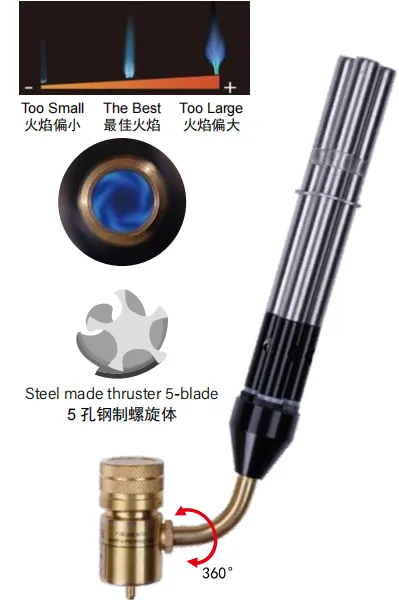
WH‑SSVT Deluxe MAPP Hose Torch With Needle‑Valve & Thick Brass Tip 6‑Blade Thruster TorchNegotiableMOQ: 100 Pieces
-
WH‑SSVTP Patented One‑Piece MAPP Hose Torch One‑Hand Needle‑Valve & Thick Brass TipNegotiableMOQ: 100 Pieces
-
WH‑DSVA Dual‑Tip MAPP Hose Torch With Needle Valve Self‑Igniting Aluminum Igniter TorchNegotiableMOQ: 100 Pieces
-
WH‑DSVAP Patented Switchable Dual‑Tip MAPP Hose Torch Needle‑Valve & Aluminum‑Body TorchNegotiableMOQ: 100 Pieces
-
WH‑SSVNP Patented Flexible Stainless Tube MAPP Hose Torch All‑Directional Gooseneck TorchNegotiableMOQ: 100 Pieces